
Lebanon is once again in the headlines for the wrong reasons. Escalating conflict has reinforced a familiar narrative: instability, fragility, and uncertainty. Yet for seasoned investors, the more consequential story often unfolds beneath the surface of crisis. In Lebanon’s case, the current war is not rewriting the country’s economic trajectory as much as it is obscuring a structural reset already well underway.
Since the 2019 financial collapse and the shock of the Beirut Port Explosion, Lebanon’s economy has contracted from roughly $52bn to an estimated $21–23bn. The banking sector has been largely sidelined, the currency has lost most of its value, and inflation at one point exceeded 200 per cent. These remained defining features of the landscape for a few years.
But the system has also adapted. Inflation has eased into the 30–40 per cent range, transactions across much of the economy are effectively dollarized, remittances at ($6–7bn annually) continue to anchor liquidity and GDP bounced back underreported while cash economy still values an unreported $12-18 bn. Tourism, a sensitive barometer of confidence, rebounded strongly in 2025 with more than 1.5mn visitors before the latest escalation. Even amid renewed tensions, core private-sector activity has shown a capacity to adjust rather than halt, and industrial sectors continue to grow demonstrating unmatched resilience.
This is not a recovery in the conventional sense. It is a war-tested equilibrium, where state capacity remains constrained but economic activity persists through decentralisation, external inflows and private initiative. For investors, such environments tend to compress valuations while leaving underlying demand largely intact.
Lebanon’s structural weaknesses: political fragmentation, governance gaps, and regulatory opacity; are well known. Less discussed is how these same conditions have resulted in chronic underinvestment across nearly every productive sector. The consequence is a market where capacity is limited not by demand, but by the absence of capital and modernization. A bottleneck situation where regional demand can unlock fast growth once constraints are lifted.
Energy illustrates this imbalance most clearly. Public electricity generation meets less than a fifth of demand, forcing businesses and households into parallel supply systems. What was once an emergency workaround has evolved into a functioning private market. Solar generation, battery storage and decentralized grids are expanding rapidly, driven by immediate demand rather than policy incentives. Even in periods of conflict, these systems remain operational, underscoring their resilience and commercial logic.
Water, often overlooked in investment discussions, represents a similarly underexploited asset. In a region facing increasing scarcity, Lebanon retains comparatively abundant resources, with per capita availability far exceeding that of neighboring countries. Yet inefficiencies in distribution, storage and treatment have limited utilization. Addressing these gaps is less a question of resource discovery than of infrastructure, an area where private investment can deliver both domestic returns and longer-term regional relevance, and substantial leverage.
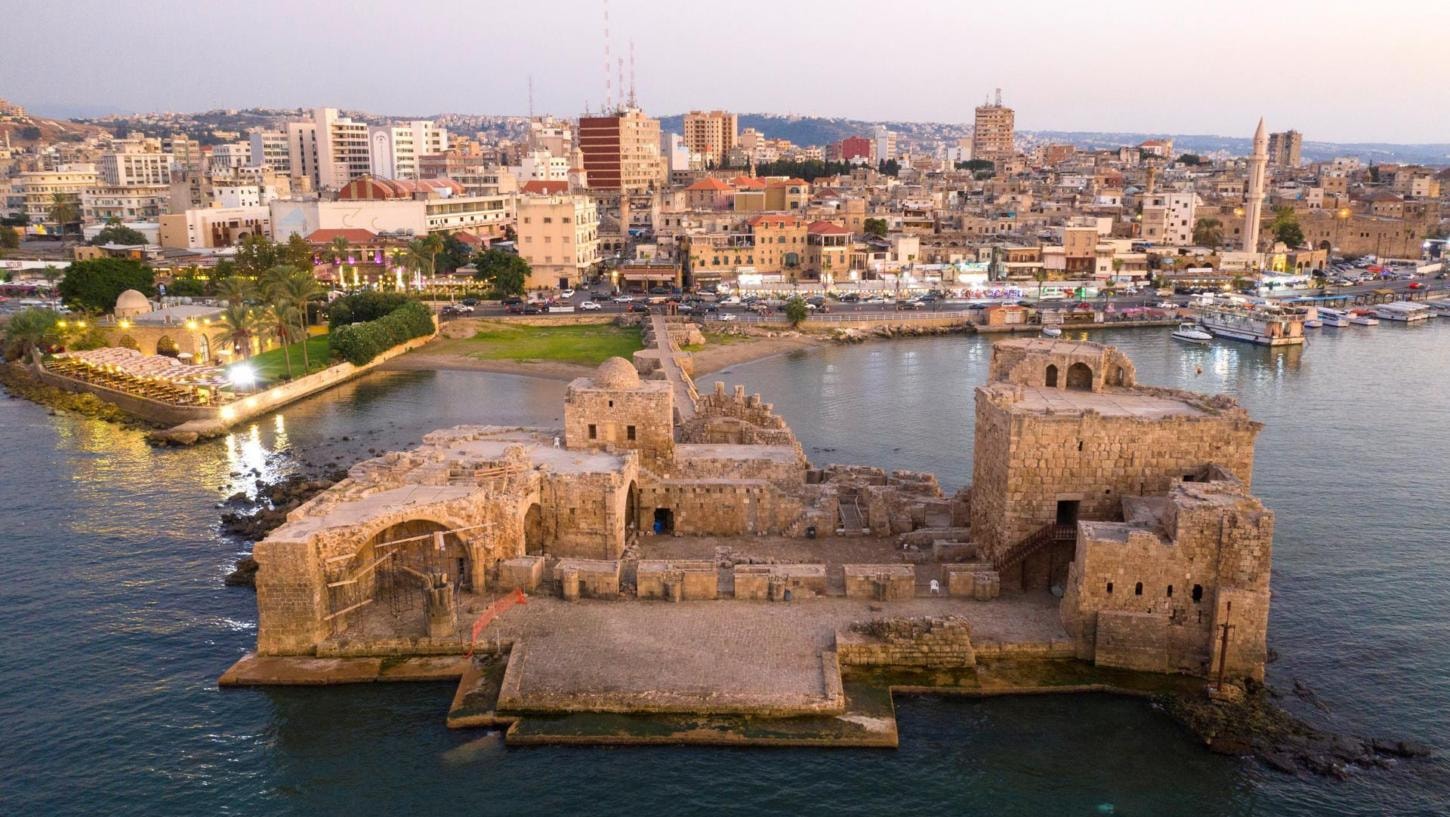
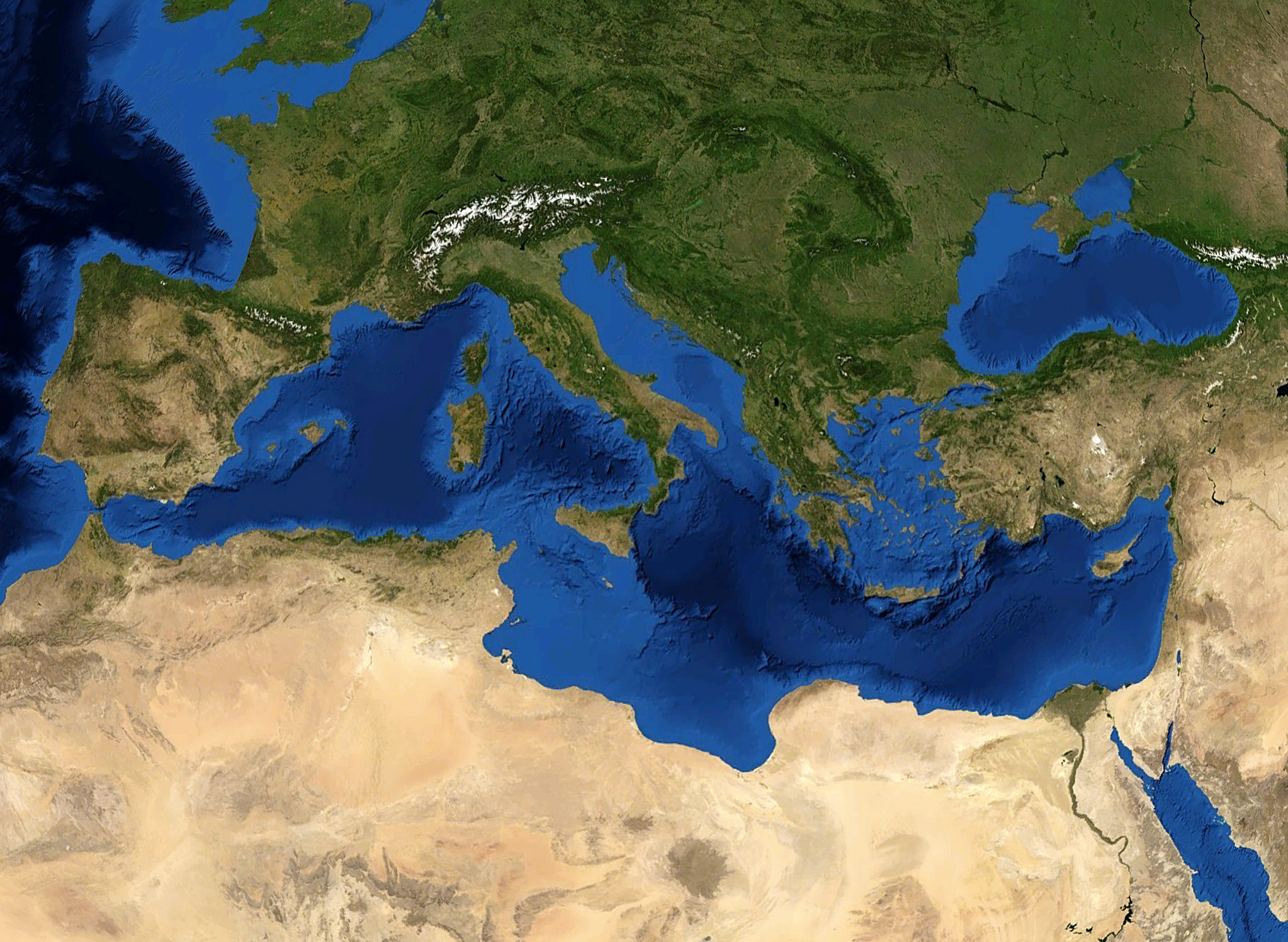
Infrastructure more broadly remains one of the most compelling, if complex, opportunities. Lebanon’s position along the Eastern Mediterranean, bridging Europe, the Levant and the Gulf, continues to offer strategic value. However, ports beyond Beirut, including Tripoli and Saida, remain underutilized, while logistics and transport networks operate below capacity. The need for reconstruction and upgrade, heightened by repeated shocks, creates a pipeline of potential projects that are likely to rely on private capital, particularly through concession models and public-private partnerships.
In contrast to these capital-intensive sectors, Lebanon’s digital economy has demonstrated a different kind of resilience. The country’s IT sector continues to expand, as it did under the most challenging years of the crisis, supported by a highly skilled, multilingual workforce and strong diaspora connections. Software development, fintech, cybersecurity and AI-driven services are increasingly export-oriented, allowing firms to operate with limited exposure to domestic volatility. In a global economy that has normalized remote work, Lebanon’s cost-adjusted talent base has become more competitive.
That cost adjustment, one of the most significant consequences of the crisis, extends into industry. Labor costs have fallen sharply in real terms, repositioning Lebanon as a viable environment for certain types of light manufacturing, specialized production and outsourced services. The pharmaceutical sector offers a case in point: local production of generics and over-the-counter medicines expanded rapidly during import shortages and now provides a foundation for further growth, both domestically and regionally.
Agriculture, long marginal within a services-led economic model, is also being reassessed. Fertile land, water availability and proximity to regional markets create a structural advantage that remains underutilized. While productivity challenges persist, the sector offers clear opportunities in agri-technology, high-value crops and food processing, particularly in a region where food security is becoming a strategic priority.
Waste management and recycling, historically sources of political tension and public frustration, are increasingly viewed through a commercial lens. Since the 2015 crisis, decentralised models, waste-to-energy solutions and recycling infrastructure have gained traction. With limited existing capacity and clear demand, the sector offers potential for scalable projects, often structured through partnerships with municipalities.
Lebanon’s more established sectors, tourism, healthcare, education and the creative industries, have also demonstrated a capacity to absorb shocks. Tourism, while sensitive to security conditions, has repeatedly rebounded on the back of diaspora and regional demand, with growth gradually extending beyond Beirut into rural and eco-tourism segments. Healthcare and education continue to attract regional clients, supported by institutional reputations that have largely endured. Meanwhile, Lebanon’s creative industries retain a disproportionate influence across Arab media and content production, reflecting a depth of talent that operates well beyond the confines of the domestic market.
What underpins these sectors is a set of enduring structural advantages. Lebanon’s geographic position remains unchanged. Its economy, despite distortions, retains a relatively liberal orientation. Most critically, its human capital, multilingual, highly educated and globally connected, continues to function as a primary economic asset. This is reinforced by a diaspora estimated at several times (3-4) the resident population, providing a steady channel for capital, expertise and market access.
None of this negates the reality of conflict. The current war introduces operational risks, delays investment timelines and reinforces volatility. But it does not fundamentally alter the underlying equation. In many cases, it accelerates the repricing of assets and further limits competition, particularly in sectors where long-term demand is unaffected.
For investors, the distinction is important. Lebanon is not a conventional recovery story waiting on political resolution, that today, seems to become closer and probably permanent. It is a frontier market that has already adjusted, where economic activity has partially decoupled from state capacity and where private-sector mechanisms continue to function under pressure.
The question, therefore, is not whether Lebanon carries risk, it clearly does, at least until disarmament and a final accord. The question is whether that risk is adequately reflected in valuations, and whether the underlying assets, human capital, geographic positioning, and sectoral gaps, justify early positioning.
Historically, Lebanon’s economic rebounds have been uneven but exceptionally rapid, driven less by policy than by adaptability. That pattern appears to be reasserting itself. Even in the context of conflict, the foundations of a new economic configuration, leaner, more decentralized, and more externally connected, are already visible.
For those willing to engage at this stage, Lebanon offers a familiar proposition: complexity, opacity and volatility on one side; discounted entry points and underexploited sectors on the other. In that balance lies the investment case. But that balance, according to the last events and high probability of permanent peace, might shift more in favor of the country.
The war may dominate the headlines. But for markets, it is often the quieter shifts, pricing, positioning, and capacity gaps, that ultimately determine where capital flows next.
Recent engagement trends reinforce this shift from observation to execution. In November 2025, the Mediterranean Forum of Local Governments and Business convened a dedicated Lebanon-focused session at the Italian Parliament, bringing together senior Lebanese representatives, including diplomatic and institutional stakeholders, with European counterparts. This was followed, in February 2026, by a high-level economic delegation to Lebanon, where meetings with ministers, industrial leaders, public institutions and private-sector actors underscored a consistent theme: beyond the volatility, there is a growing alignment around pragmatic economic reactivation.
For international investors and operators, navigating this environment will depend less on macro visibility than on access to credible networks, institutional interfaces and on-the-ground intelligence. As engagement with Lebanon gradually shifts from episodic interest to structured entry, platforms capable of bridging public and private stakeholders are likely to play an increasingly central role in shaping deal flow and execution.
Author: “Patricia I. Issa” – Lobbyist & international affairs expert focused on the East Mediterranean and Middle East regions; Vice President of the Mediterranean Forum of Local Governments and Business